The Psychological Side of Veneers
One of the most overlooked consequences of getting porcelain veneers isn’t necessarily physical. It’s psychological. Before veneers, many people smile, laugh, talk, and go about their day without giving their teeth much thought.
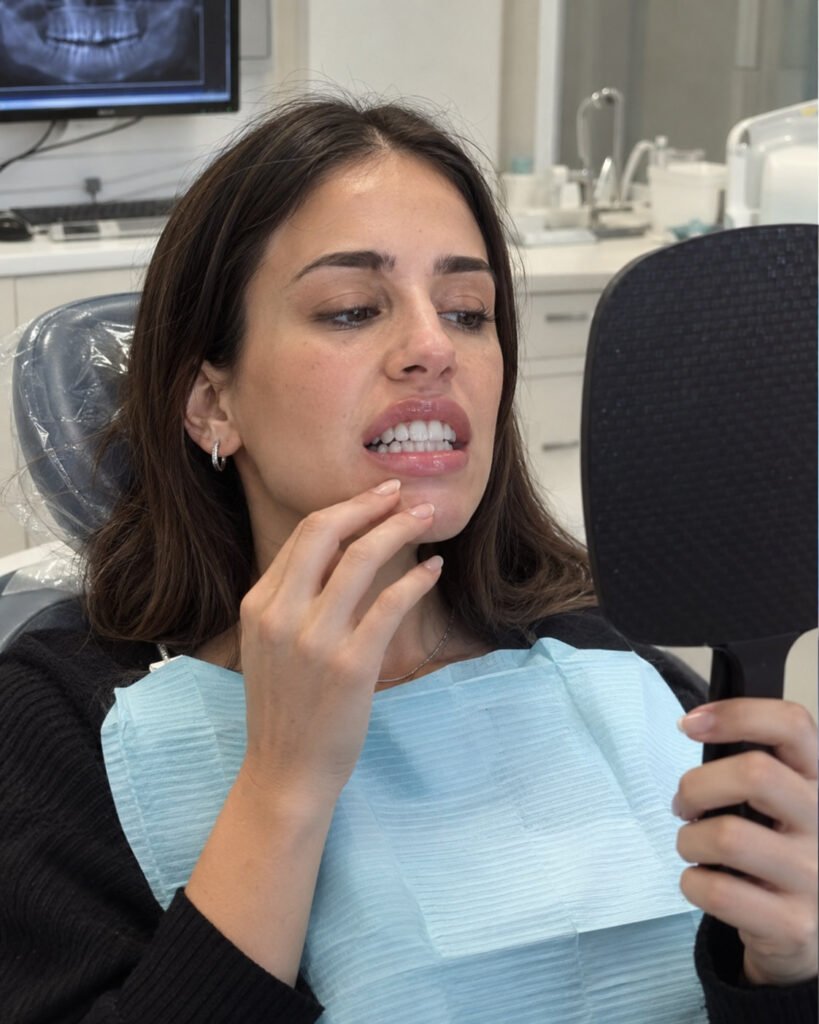
But after getting veneers, something can change. Some individuals become incredibly aware of their own smiles, sometimes to the point where it becomes an obsession.
They know their teeth are no longer entirely natural. They know what the procedure cost, what was done to their teeth, and that their natural tooth structure may have been permanently altered.
That awareness alone can change how they see themselves and, more importantly, how they believe other people see them.
When Every Reaction Becomes Something to Analyze
A person might be having a normal conversation when someone glances at their mouth, and suddenly they begin wondering whether their veneers are being noticed. Someone looks twice, and they immediately question whether their teeth look fake, too white, too large, or unnatural.
A compliment about their smile might even create uncertainty about whether the person is being genuine. Looking at photographs can become an entirely different experience, with individuals zooming in on their teeth and analyzing details they never would have noticed before.
Interestingly, many of these same interactions probably occurred before veneers. They simply weren’t paying attention to them. People naturally look at each other’s mouths during conversations, but once someone becomes hyperaware of their teeth, every glance can feel like an evaluation of their smile.
Knowing Something Others Don’t
This is where the psychological impact can become especially complicated. Individuals with veneers know something about their teeth that strangers don’t. They remember what their natural teeth looked like, the appointments, the preparation, the drilling, and the financial investment.
Some may remember the exact moment they looked in the mirror and realized their smile was permanently different. Strangers, however, don’t have that history. Most people aren’t analyzing tooth proportions, translucency, canine width, or gum symmetry. They’re simply having a conversation.
Yet because someone with veneers is so aware of their dental work, they may unconsciously assume everyone else notices it too. Their own awareness and insecurities can become projected onto other people’s reactions.
Over time, ordinary social interactions may turn into opportunities to interpret what others are thinking based on where they’re looking or how they respond.
Social Media and Unrealistic Expectations
Social media and cosmetic dentistry marketing can make these concerns worse. Instagram, celebrities, and carefully selected before and after photographs have helped create unrealistic expectations about what a perfect smile should look like.
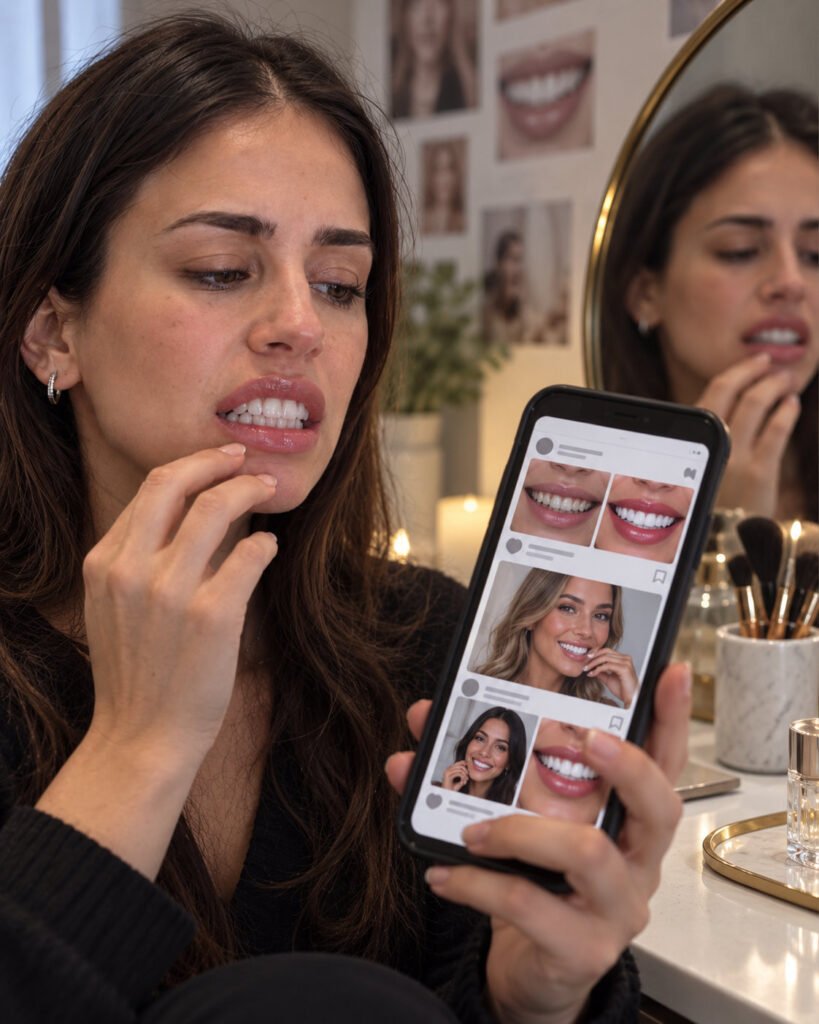
The physical transformation is heavily advertised, but the emotional adjustment that can follow is rarely discussed.
Cosmetic dentistry naturally focuses on achieving an attractive result, yet the psychological experience of living with permanently altered teeth deserves far more attention.
For some patients, the adjustment is relatively easy. Others may struggle to recognize their new smile or feel uncomfortable with the realization that their natural teeth can never be fully restored to their original condition.
Real Dental Problems vs. Psychological Insecurity
An important distinction is that not every concern following veneer treatment is psychological. Veneers can genuinely be too bulky, too long, poorly contoured, or uncomfortable.
Some patients experience legitimate functional or aesthetic problems that require professional evaluation.
However, other individuals may have veneers that appear aesthetically acceptable and still struggle with their appearance because they no longer recognize their smile or constantly worry about how others perceive it.
Reassurance doesn’t always solve this problem. Someone may receive numerous compliments about their teeth and feel better temporarily, only to begin questioning their appearance again during the next social interaction.
Repeatedly examining photographs, comparing smiles, studying minor imperfections, and seeking reassurance can sometimes reinforce the insecurity rather than resolve it.
Beautiful Veneers Don’t Always Mean Psychological Satisfaction
A person can have beautiful veneers and still miss their natural teeth. They can receive compliments and remain insecure. They can be satisfied with the cosmetic result while feeling uncomfortable knowing their natural tooth structure was permanently altered.

Conversely, many people genuinely love their veneers and never experience these concerns. The psychological response to cosmetic dentistry is highly individual, and satisfaction cannot be determined solely by how attractive the final result appears to others.
This is an important consideration for dentists and patients, particularly when relatively healthy natural teeth are being treated for purely cosmetic reasons.
Conversations before treatment shouldn’t focus exclusively on shade selection, tooth shape, and achieving the ideal Hollywood smile. Patients should also understand that changing their appearance doesn’t automatically guarantee improved confidence or self-esteem which is sold to us..
The Part Nobody Prepares Patients For
Ultimately, a successful cosmetic result involves more than how teeth appear to everyone else. It also involves whether patients feel comfortable, confident, and like themselves when they smile.
Sometimes the most difficult part of getting veneers isn’t adjusting to how the teeth look. It’s adjusting to how the individual believes everyone else sees them.
What makes this especially challenging is that the perceived judgment may exist primarily in the person’s own mind. A harmless glance, an ordinary facial expression, or a casual comment can take on an entirely different meaning when someone becomes overly conscious of their dental work.
For some individuals, that awareness gradually fades as they become accustomed to their new smile.
For others, it can persist for years, particularly when the procedure involved significant changes to previously healthy teeth or when expectations weren’t fully addressed beforehand.
A Discussion Worth Having
The psychological effects of cosmetic dentistry deserve more attention, particularly as veneers become increasingly popular among younger patients influenced by social media and celebrity culture.
How many people become more self-conscious about their teeth after getting veneers, even when others consider the results attractive? Does that hyperawareness eventually fade, or do some individuals continue analyzing other people’s reactions years after treatment?
These experiences deserve to be discussed just as openly as the physical results of cosmetic dentistry.
Disclaimer:
This content is for informational and commentary purposes only. It reflects observations and opinions based on publicly available images and does not constitute medical advice, diagnosis, or criticism of any individual’s personal choices. Cosmetic dentistry outcomes can vary, and anyone considering treatment should consult with a licensed dental professional.
If you have questions about this article, need help understanding your options, or want to know what to ask during a consultation, we’re here to help. Just leave us a message — even a quick question like:
- “Do you know any qualified dentists who offer enhanced composite resin veneers?”
- “How do I know if this is right for me?”
- “What are the typical costs among providers for enhanced composite resin veneers?”
- “What should I ask my dentist before starting treatment?”
- “Is there a way to tell if my teeth are healthy enough for this type of veneer?”
- “What’s the difference between traditional bonding and enhanced composite resin?”
Every person’s case is unique, and while we’ll do our best to answer your questions and share helpful insights, always consult a licensed dental professional before making any treatment decisions.