Over 350,000 views in the past year across our community, we’ve collected what patients consistently say after getting porcelain veneers.
These aren’t sales pitches or before and after photos, they’re real experiences from people living with them every day. The patterns are clear. There are things patients notice that rarely get explained upfront. This is what keeps coming up.
Important context: this is mainly for people who started with healthy, natural teeth and chose veneers as a cosmetic upgrade or had traditional bonding done and was told they need to go to porcelain now.
It’s not aimed at cases where teeth are damaged, diseased, or need reconstruction. This is about elective changes to otherwise healthy teeth.
1. You don’t feel them like real teeth
Natural enamel transmits subtle temperature and pressure feedback. Porcelain does not behave the same way. Many people notice reduced hot and cold sensation on the veneer surface and mainly feel it around the margins or surrounding tooth.
2. Looks perfect. Feels off.
Photos capture a static smile, not function. Veneers can look great straight on but feel unnatural when you talk, chew, or rest your mouth. Small changes in edge position or thickness can make your bite feel off even if no one else sees it.
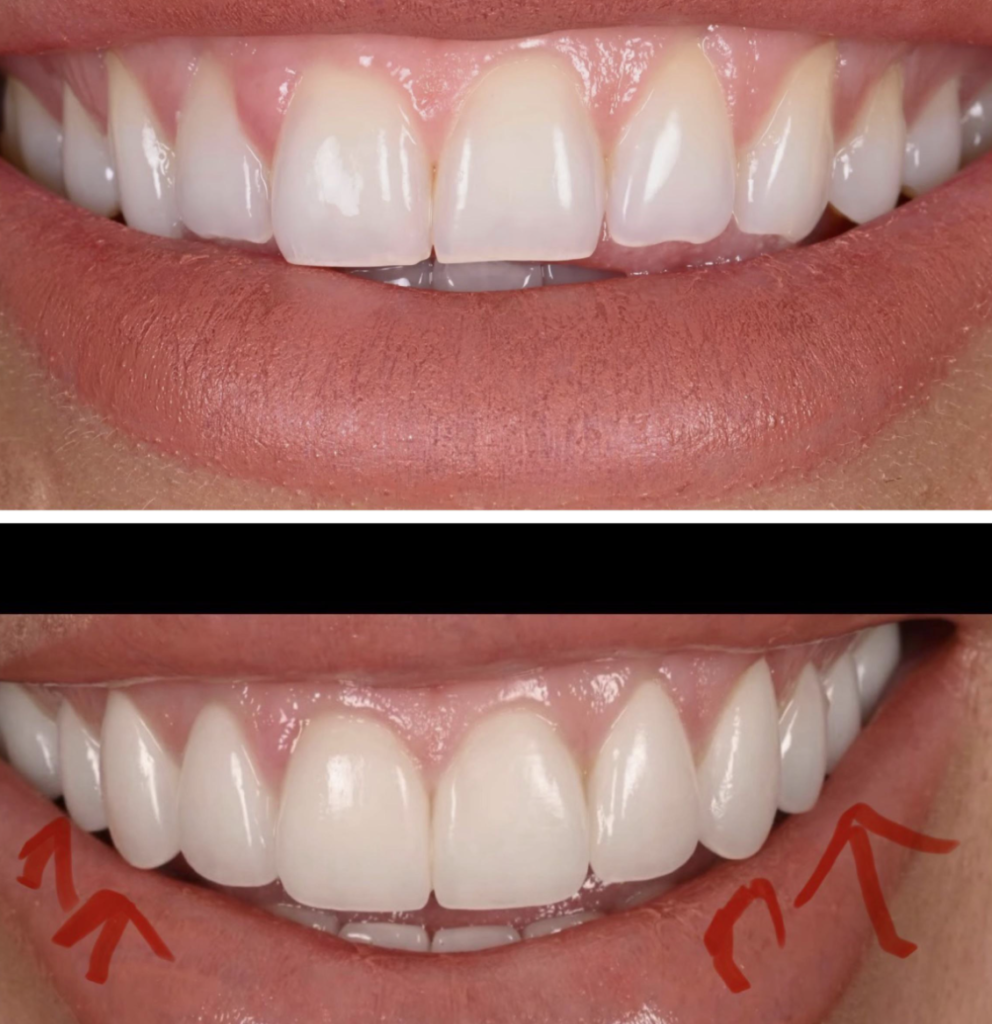
3. Most veneers clip the lower lip and dentists don’t care
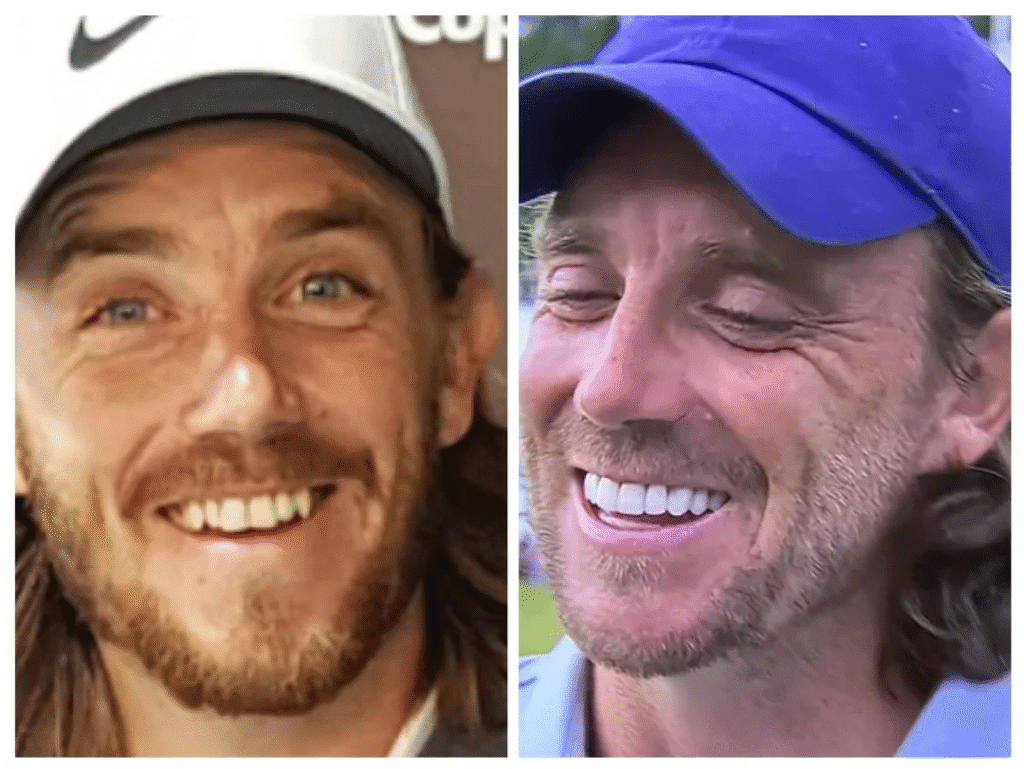
Veneers are often pushed too far forward or built too bulky, so your lower lip catches on them instead of gliding naturally. This affects comfort, speech, and how your smile feels every day, but it’s rarely addressed.
4. Enamel doesn’t grow back
To place veneers, enamel is usually reduced. That layer is your tooth’s natural protection and bonding surface. Once it’s removed, you can’t go back to untouched teeth. You’re committed to maintaining restorations long term.
5. “No-prep” isn’t what you think
Even “no-prep” veneers aren’t truly reversible. The bonding is so strong that removing them can still alter the tooth surface. When they need to be replaced, you’re no longer working with untouched teeth, even if no drilling was originally done.

6. Strong but not forgiving
You’ll often hear that porcelain is “stronger,” but that comparison can be misleading. Natural teeth are built as a living system with enamel and dentin working together to absorb and distribute force. Porcelain is hard and durable, but it’s also brittle and doesn’t flex the same way.
That means when something goes wrong, it tends to chip or fracture rather than adapt. And when it does, it almost always leads to full replacement, not a simple repair.
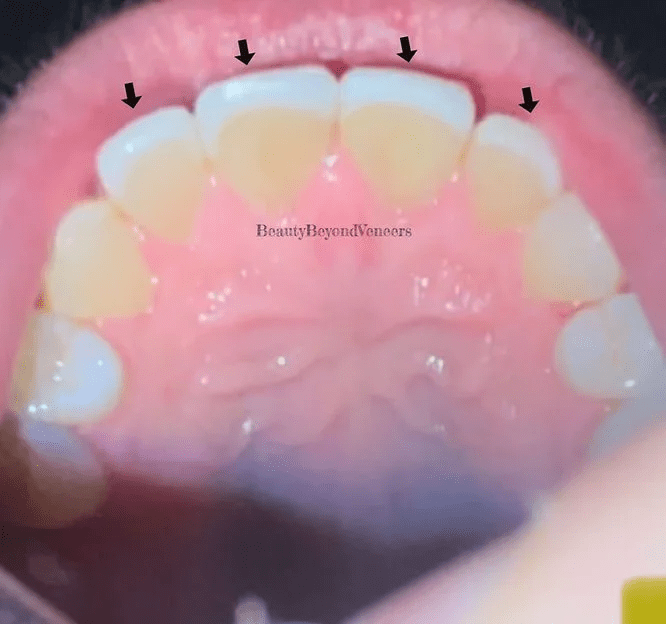
7. They don’t just sit on the front
Porcelain veneers wrap around the tooth and extend toward the edges, not just the surface. That means more coverage and more commitment than most people realize.
8. Maintenance never ends and it adds up
Veneers aren’t a one time purchase. They usually need replacement every 10 to 15 years. If you start young, that can mean doing them multiple times over your life.
At 15k to 20k per case, the long term cost can add up to tens to hundreds of thousands depending on how many times you redo them and how complex the case becomes.
9. Even people who do their research regret it
We’ve seen informed patients ask questions, compare options, and still end up unhappy. The issue isn’t effort, it’s that key tradeoffs and long term realities often aren’t fully emphasized until after the procedure is done.
10. Speech can change
“S” and “F” sounds can feel different if length or thickness is off. Even small changes can affect how you talk.

11. The procedure is often downplayed
It’s marketed as a cosmetic upgrade, but it’s a permanent structural change. The long term commitment, maintenance, and functional risks are not always fully emphasized before treatment.
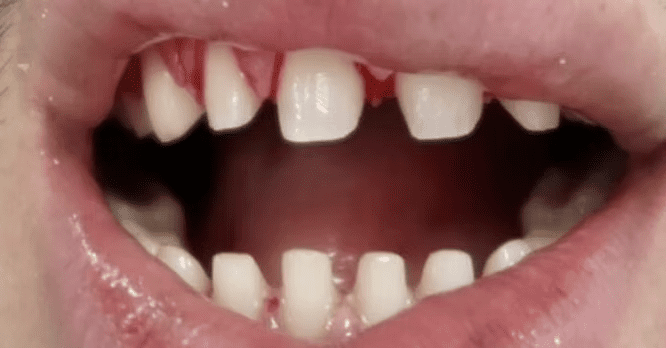
12. You can’t “test drive” porcelain
Unlike composite, you can’t easily adjust or live in it and tweak over time. Once it’s bonded, you’re locked in. And when dentists have to adjust or carve porcelain chairside, it can lose its original surface glaze and shine, which can affect how natural it looks over time.
13. People notice them more than you think
Porcelain veneers have become so common that people recognize the look. Overly uniform shapes, bright shades, and bulky profiles stand out. What used to look “perfect” can now look artificial, and people quietly judge it.

14. There’s an option you’ll rarely hear about
Enhanced composite resin veneers can fix shape and function in a more conservative, additive way. They’re highly technique dependent and take more time and skill, which is why they’re not always discussed.
Many dentists default to porcelain and point to failures of older, traditional bonding, without distinguishing it from modern layered composite techniques.
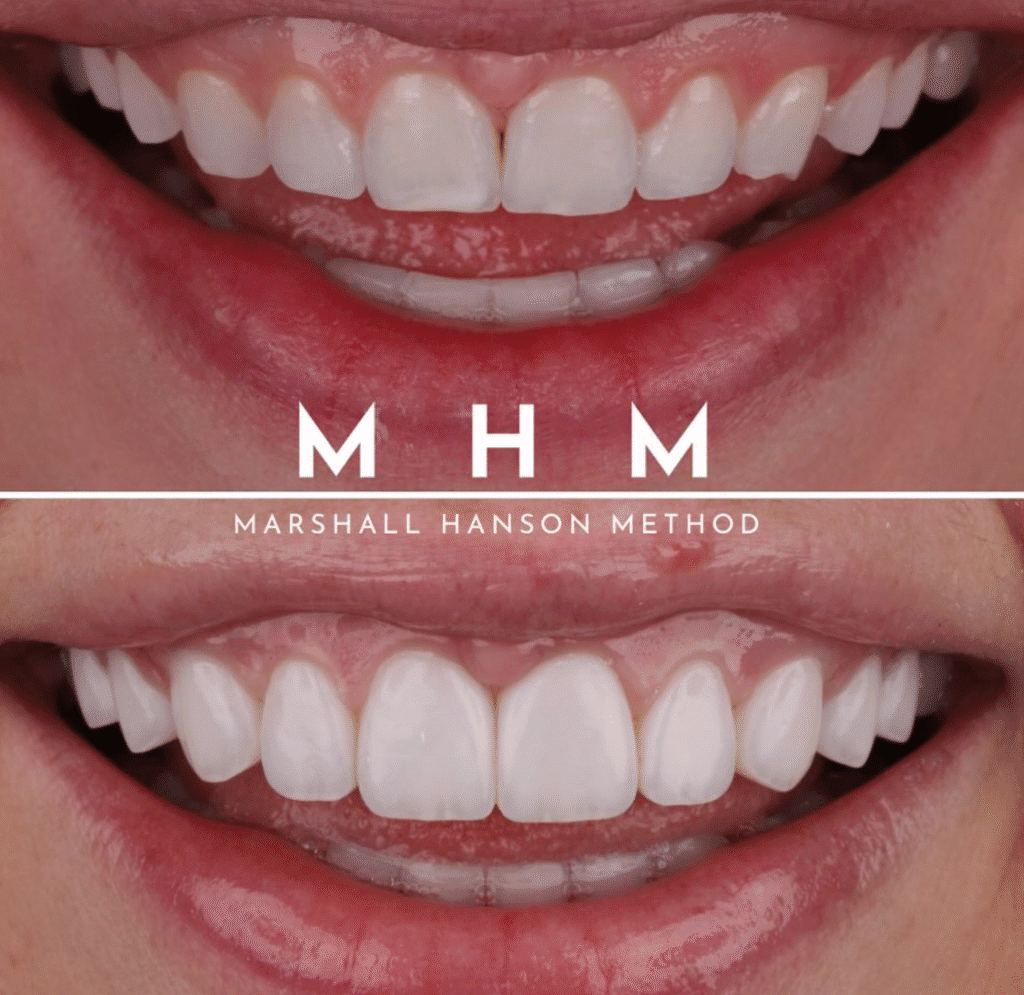
In the right hands, these can solve many of the same problems without aggressive tooth reduction.
15. I wish I never did it, my teeth were healthy
One of the most common regrets is from people who started with healthy, natural teeth and who even had traditional bonding work.
After porcelain veneers, they feel like their smile looks different in a way they didn’t expect, sometimes changing facial balance, lip support, or how their teeth show when they talk.
It can feel less like you and more like a version of a smile that doesn’t match your face. And because enamel was removed, going back isn’t an option.
Conclusion:
Last note from people who’ve been through it, this isn’t about perfect photos, it’s about living with your teeth every day. Once healthy teeth are altered, there’s no going back.
Many end up wishing they had kept things simple. Even just knowing you have veneers, or hearing one comment about it, can change how you see your own smile.