Why Porcelain Veneers Quietly Damage Healthy Teeth While Social Media Shows Only the Glamour
This article is not about people with severely worn, cracked, stained, or medically compromised enamel. It is about people who start with healthy, functional teeth that worked fine, never caused problems, and were completely normal.

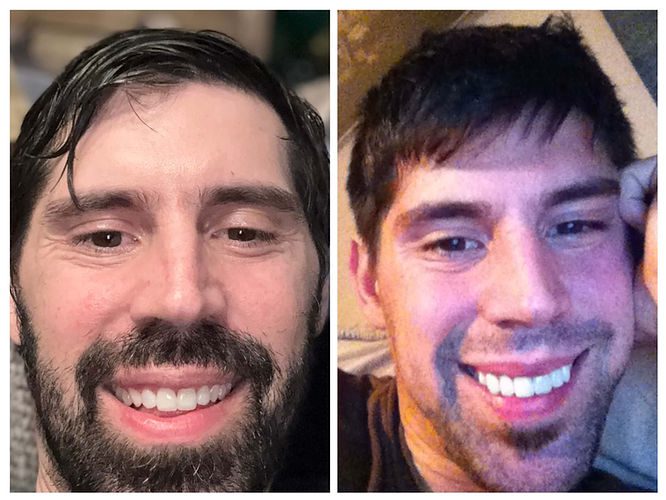
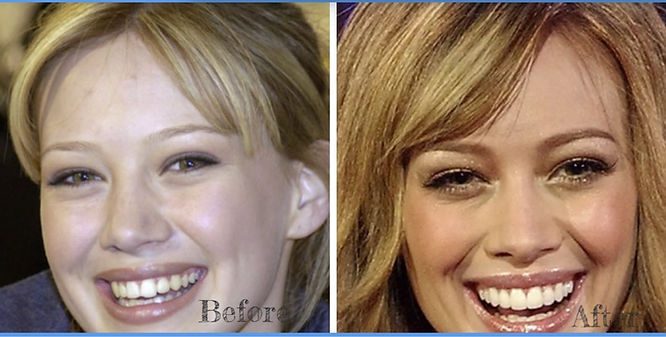
Many of these people did not even think about changing their smile until someone commented on it or they saw glamorous before and after photos on television or social media.
That is where the pressure begins.
That is when people start believing they “need an upgrade” even though nothing was actually wrong.
The truth is simple. Porcelain veneers do not fix healthy teeth. They do not strengthen them. They do not improve their health. They take something that was working perfectly and turn it into a lifelong liability. It is not a band aid. It is a disaster.
Dentists Are Selling a Cosmetic Illusion
Many dentists promote porcelain veneers as a quick cosmetic fix. They use phrases such as “minimally invasive,” “only some shaping,” “just a small amount of enamel,” and the very misleading phrase “instant orthodontics.” That phrase alone has created enormous regret for people who had healthy teeth before the procedure.
Orthodontics moves teeth. Veneers do not move anything. When a dentist calls porcelain veneers “instant orthodontics,” they are really saying they plan to grind down healthy enamel to create the illusion of straightness. Nothing about that is orthodontic.
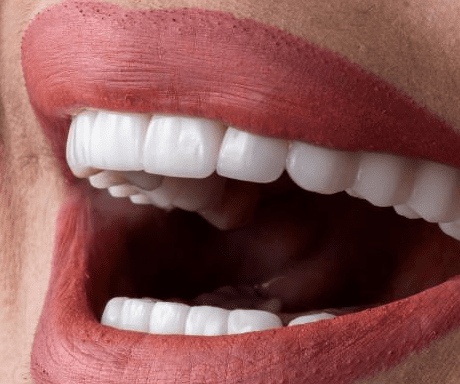
It is simply irreversible tooth removal packaged as a shortcut.
Ask anyone who went through it with healthy teeth. Enamel does not grow back. Once it is removed, it is gone forever.
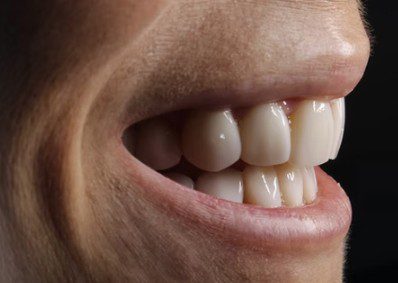
For healthy teeth, porcelain veneers are not a cosmetic improvement. They are a cosmetic illusion that requires permanent damage to make the results possible.
The Hard Truth About Grinding Down Healthy Teeth
People often assume the shaving is tiny or harmless. They are told veneers require “minimal enamel reduction.” What they are not told is that even a millimeter of enamel loss can weaken a tooth permanently.
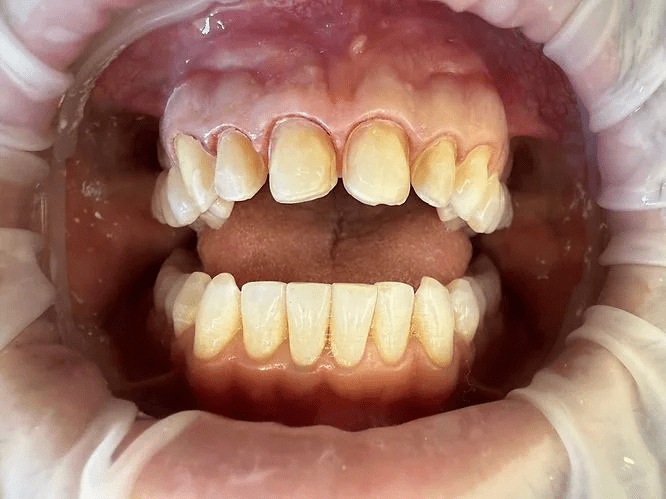
Many veneer cases require significant shaping to meet lab requirements. Some require full facial reduction. Once it starts, the natural tooth structure is changed forever.
Grinding healthy teeth can lead to the following.
Persistent sensitivity. Heat and cold sensitivity often begins right away and can last for years.
Gum recession. Veneers can change how gums sit on the teeth, causing recession that exposes roots and creates long term issues.
Weakening of the natural tooth. Healthy teeth become more fragile after enamel removal. Cracks and fractures become more common with each replacement cycle.
A lifetime of replacements and repairs. Porcelain does not last forever. It chips, cracks, debonds, and stains at the margins. Each replacement removes more tooth, pushing people toward crowns, root canals, or even implants.
Even “No Prep” Veneers Are Not Reversible
Many people believe they are safe if they choose “no prep” veneers. They hear the phrase and assume it means their enamel will be untouched and their natural teeth will stay intact underneath. This is one of the biggest misunderstandings in cosmetic dentistry.
Here is the truth most people never hear. No prep veneers only actually work for about five percent of people.
The remaining ninety five percent eventually hear the same line in the chair once the dentist has them committed. “We will just take a very small amount off. It is nothing.” That “small amount” is enamel, and enamel does not grow back.

The phrase “no prep” is often used as a marketing tactic to get people with healthy teeth into the office. Once they are there, the dentist slowly changes the narrative.
Suddenly “no prep” becomes “minimal prep,” and “minimal prep” becomes “just shaping,” and before patients know it, the drill is out and irreversible removal begins.
Even in the rare cases where truly no enamel is removed, the veneer still has to be bonded tightly to the surface of the tooth. That bond is permanent.
Once porcelain is cemented to enamel, there is no safe way to remove it without damaging the tooth. It has to be cut off with a bur, and that process almost always removes some natural tooth structure.
No prep does not mean reversible. No prep does not mean safe. No prep does not mean you escape the lifetime cycle of veneers and replacements.
It only means the damage is delayed until the veneers need to come off later.
It Is a Serious Problem That Is Not Talked About Enough
Cosmetic dentistry marketing often hides the long term consequences. Social media makes porcelain veneers look fun, fast, and glamorous.
People with healthy teeth start to believe they are missing something or that their natural smile is not good enough. The pressure adds up. Many dentists take advantage of it.
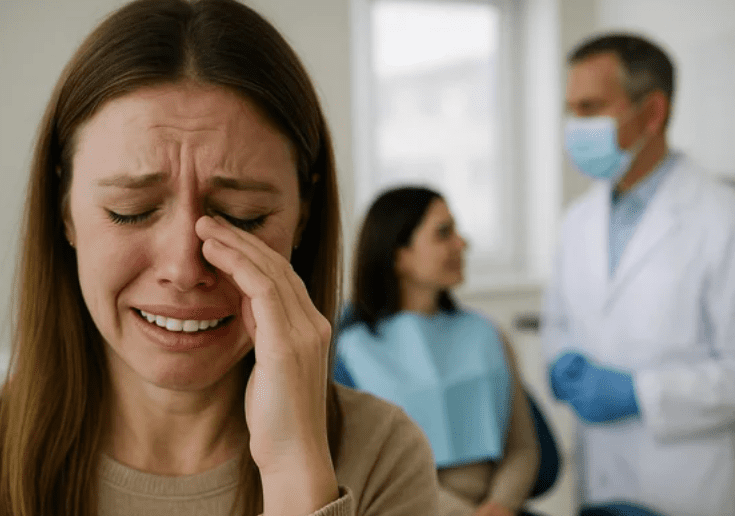
What you see online is filtered. Dentists only post the perfect cases. They never show the failures. They never show the people who ended up with sensitivity, pain, or long term damage. They never show the teeth that were over prepared. They never show the patients who regret everything.
The real stories come from the people who regret it.
People who started with healthy teeth and trusted the wrong advice describe the same experience. Sensitivity. Pain. Functional issues. Emotional stress. High costs. A feeling that something was taken from them that they can never get back.
They often say they wish someone had warned them. They wish a dentist had told them their teeth were fine. They wish they had known this was not reversible.
Do Not Listen to Dentists Who Push Porcelain on Healthy Teeth
If a dentist is pushing porcelain veneers on perfectly healthy enamel, ask why. A dentist committed to long term health will always look for an additive approach first. They will focus on preserving every bit of enamel. They will be honest about what porcelain really requires.
Healthy teeth do not need to be shaved down to look good. Additive composite resin in the hands of a skilled dentist can enhance a smile without removing enamel. A dentist who protects your natural structure is a dentist who understands long term health and function.
Learn From the People Who Went Through It
The strongest warnings do not come from marketing videos or promotional accounts. They come from real people who lived through the consequences. People who started with good teeth and trusted the promise of a quick cosmetic upgrade.
Their message is clear.
If you have healthy teeth, porcelain veneers are not an upgrade. They are not a band aid. They are a disaster. And online you only ever see the highlight reel, never the reality.
Protect your enamel. Protect your long term health. Listen to the people who lived it. Your natural teeth are irreplaceable, and once they are drilled, you can never get them back.

Disclaimer:
This content is for informational and commentary purposes only. It reflects observations and opinions based on publicly available images and does not constitute medical advice, diagnosis, or criticism of any individual’s personal choices. Cosmetic dentistry outcomes can vary, and anyone considering treatment should consult with a licensed dental professional.
If you have questions about this article, need help understanding your options, or want to know what to ask during a consultation, we’re here to help. Just leave us a message — even a quick question like:
- “Do you know any qualified dentists who offer enhanced composite resin veneers?”
- “How do I know if this is right for me?”
- “What are the typical costs among providers for enhanced composite resin veneers?”
- “What should I ask my dentist before starting treatment?”
- “Is there a way to tell if my teeth are healthy enough for this type of veneer?”
- “What’s the difference between traditional bonding and enhanced composite resin?”
Every person’s case is unique, and while we’ll do our best to answer your questions and share helpful insights, always consult a licensed dental professional before making any treatment decisions.